
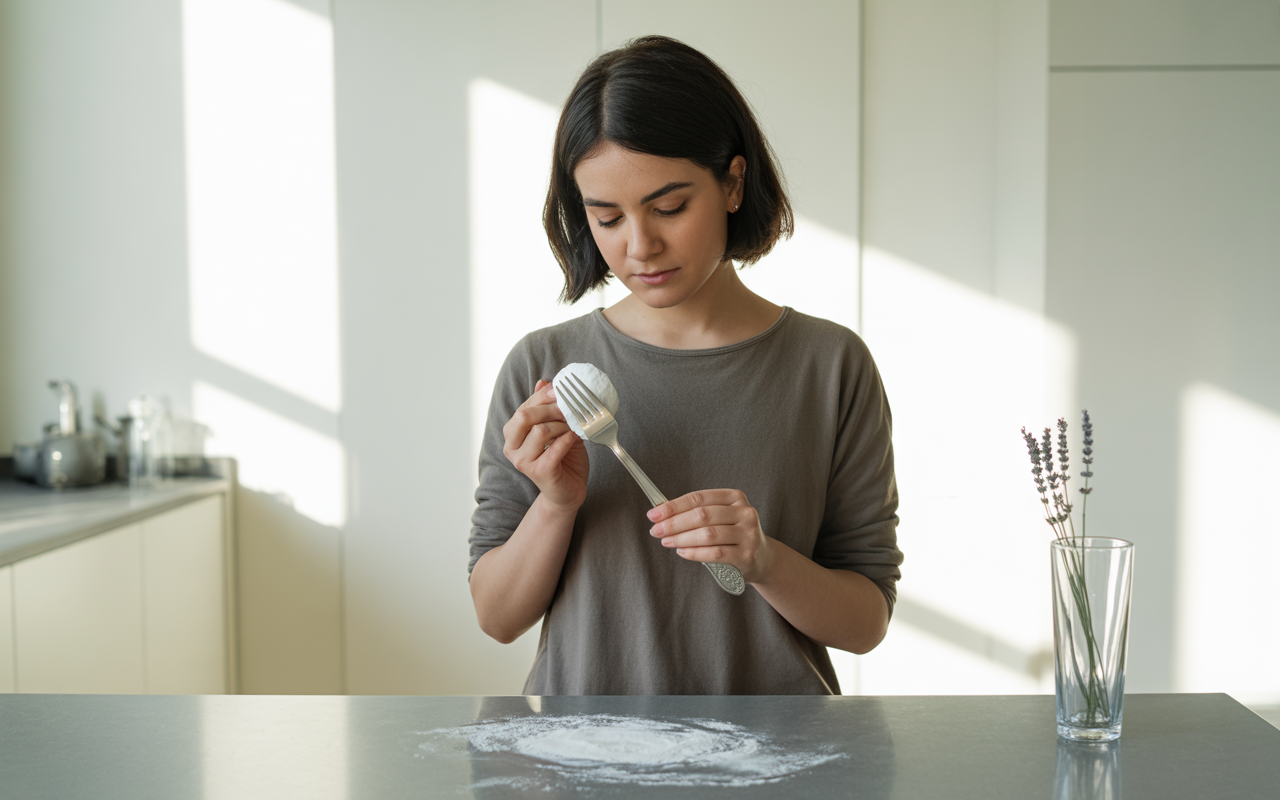
Are your silver items looking dull and tarnished? Don’t worry! You can easily shine silver with baking soda using simple items you already have at home. This natural and affordable cleaning method works wonders on jewelry, cutlery, and decorative pieces in just minutes. Whether you choose to make a gentle paste or try the aluminum foil technique, your treasured silver items will regain their beautiful luster without harsh chemicals or expensive professional services.
How can you shine silver with baking soda in minutes ?
You can shine silver with baking soda by creating a simple paste with water or using an electrochemical method with aluminum foil. This affordable household item, costing just €0.40 to €0.80 per kilogram, removes tarnish from jewelry, cutlery, and decorative pieces in as little as 5-10 minutes.
The process works because baking soda gently lifts away the dark sulfur compounds that make silver look dull. Many people discover their silver items become noticeably brighter after just one treatment.
What makes this method so popular is its simplicity. You probably already have everything you need at home. The gentle action preserves delicate details on ornate pieces while still being powerful enough to tackle stubborn tarnish.
The science behind using baking soda for silver cleaning
Baking soda, or sodium bicarbonate, works as a mild abrasive that scrubs away tarnish without scratching silver. When silver tarnishes, it forms a layer of silver sulfide on the surface. This dark coating is what makes your beautiful pieces look old and dirty.
The cleaning happens through a gentle chemical reaction. Baking soda has a slightly alkaline pH that helps break down the tarnish compounds. When you add aluminum foil and hot water to the mix, you create an electrochemical reaction that literally pulls the sulfur away from the silver.
This process is much safer than harsh chemical cleaners. Professional cleaning services can charge upwards of €40 per item, making baking soda an incredibly cost-effective alternative.
Shine silver with baking soda: Step-by-step guide
The materials you’ll need
Gathering your supplies is straightforward since most items are common household goods. Here’s what you’ll need:
- 3 tablespoons of baking soda
- 1 cup of hot water
- Aluminum foil
- A glass or ceramic bowl
- Soft cloth or sponge
- Clean towels for drying
- Rubber gloves (optional but recommended)
We recommend wearing gloves while cleaning to prevent transferring oils from your hands onto the silver, which can actually speed up future tarnishing.
Detailed cleaning instructions
Start by lining your bowl with aluminum foil, shiny side up. This creates the surface needed for the electrochemical reaction. Place your tarnished silver items on top of the foil, making sure they touch it.
Mix the baking soda with hot water until it dissolves completely. Pour this solution over your silver pieces, ensuring they’re fully submerged. You’ll notice bubbling and possibly a slight sulfur smell – that’s the tarnish being lifted away.
For lightly tarnished items, 5-10 minutes is usually enough. Heavily tarnished pieces might need 15 minutes of soaking. You can actually watch the tarnish disappear before your eyes.
Remove the items carefully and rinse them thoroughly with clean water. Dry immediately with a soft towel to prevent water spots. For extra shine, you can gently polish with a clean, dry cloth.
Alternative methods to shine silver with baking soda
Other household items that can be used
While the aluminum foil method works brilliantly, you can enhance your cleaning power by combining baking soda with other household items. Mixing baking soda with a small amount of hydrogen peroxide creates a paste that’s particularly effective on stubborn tarnish.
Some people add white vinegar to their baking soda solution for extra cleaning power. The combination fizzes impressively and can tackle really tough tarnish. Just be careful with this method on delicate pieces.
For a gentler approach, you can make a simple paste with just baking soda and water. Apply this with a soft cloth, working in small circles, then rinse and dry thoroughly.
Pros and cons of baking soda versus other methods
| Method | Pros | Cons |
|---|---|---|
| Baking Soda | Safe, affordable, chemical-free, preserves details | May require more effort on heavy tarnish |
| Commercial Polish | Quick results, convenient | Contains harsh chemicals, expensive |
| Professional Cleaning | Expert results, no effort required | Very expensive, time-consuming |
The main advantage of using shine silver with baking soda methods is their gentleness. Commercial polishes often contain harsh chemicals that can damage silver over time, especially with repeated use.
Preventing tarnish: Tips to keep your silver shiny longer
Once you’ve restored your silver’s shine, proper storage makes all the difference. Keep pieces in anti-tarnish cloths or airtight containers with silica gel packets to absorb moisture.
Regular maintenance prevents heavy tarnish buildup. We recommend cleaning silver items at least once a month to maintain their shine. This frequent light cleaning is much easier than tackling severe tarnish later.
Avoid exposing silver to sulfur-containing substances like rubber bands, certain papers, and some foods. Even the oils from your skin can accelerate tarnishing, so handle pieces minimally when possible.
Store different pieces separately to prevent scratching. Felt-lined jewelry boxes work wonderfully, or you can wrap items individually in soft cloth.
FAQs about shining silver with baking soda: What you need to know for best results
Many people wonder if baking soda is safe for all silver items. While it’s generally gentle, we always recommend testing a small, hidden area first. This is especially important with antique pieces or items with special finishes.
Avoid using this method on silver-plated items where the silver layer is very thin. The cleaning action might remove the plating, revealing the base metal underneath.
Some people ask how often they can use baking soda cleaning. Since it’s so gentle, you can safely use it monthly or even more frequently if needed. The key is using light pressure and thorough rinsing.
For best results, always dry your silver completely after cleaning. Any remaining moisture can lead to new tarnish formation. Some people like to finish with a gentle steam polish for extra brilliance.
Regular maintenance with baking soda proves much more cost-effective over time compared to replacing tarnished pieces or paying for professional services. Your silver will thank you for the gentle care, and your wallet will appreciate the savings.
FAQ
How do you clean silver safely with baking soda and aluminum foil?
Cleaning silver safely with baking soda and aluminum foil involves lining a bowl with foil, adding baking soda, and pouring in hot water. Submerge the silver for 5-15 minutes. This method effectively removes tarnish, ensuring no harm comes to the silver.
What are the steps to polish silver using a baking soda paste?
Polishing silver using a baking soda paste is simple. Combine half a box of baking soda with water to create a paste. Use a soft cloth or sponge to apply this paste on the silver, rubbing gently, then rinse and dry well for a polished finish.
How often can you use baking soda cleaning for silver?
Using baking soda cleaning for silver can be done monthly or more frequently, depending on the tarnish. Since baking soda is gentle, it’s safe for regular use as long as light pressure is applied during cleaning.
What are some alternative methods to shine silver with baking soda?
Alternative methods to shine silver with baking soda include mixing it with hydrogen peroxide or white vinegar. These combinations can enhance cleaning power but should be used cautiously on delicate pieces.
Is baking soda safe for all silver items?
Baking soda is generally safe for most silver items, but it’s recommended to test a small, hidden area, especially with antiques or pieces with special finishes. This ensures no adverse reactions occur during cleaning.

William is the creative mind behind Aversa Outdoor — a lifelong outdoor enthusiast with a deep love for gardening, home design, and everything in between.
He grew up surrounded by nature, spending weekends helping in the family garden and learning the joy of building things by hand. Over time, that passion turned into a mission: helping others create spaces they love, inside and out.
With Aversa Outdoor, William shares practical tips, fresh ideas, and a laid-back approach to home and garden living. Whether you’re planting your first herbs, planning a patio makeover, or just looking for inspiration, he’s here to make it simple, rewarding, and a little bit fun.
When he’s not in the garden or sketching his next DIY project, you’ll find him exploring local nurseries, chasing the perfect sunset light, or sipping coffee on the porch with a good book.


